
EVs can benefit from local solar generation. In fact, EV drivers are three times more likely to have solar panels than non-EV drivers. Most solar systems are net-metered, so the excess power they produce goes back into the grid, while some solar-powered EV chargers feed directly into vehicles. Other systems rely on batteries to store solar electricity, which can then be used to charge an EV.
Can you charge EVs with solar panels?
Related Articles:
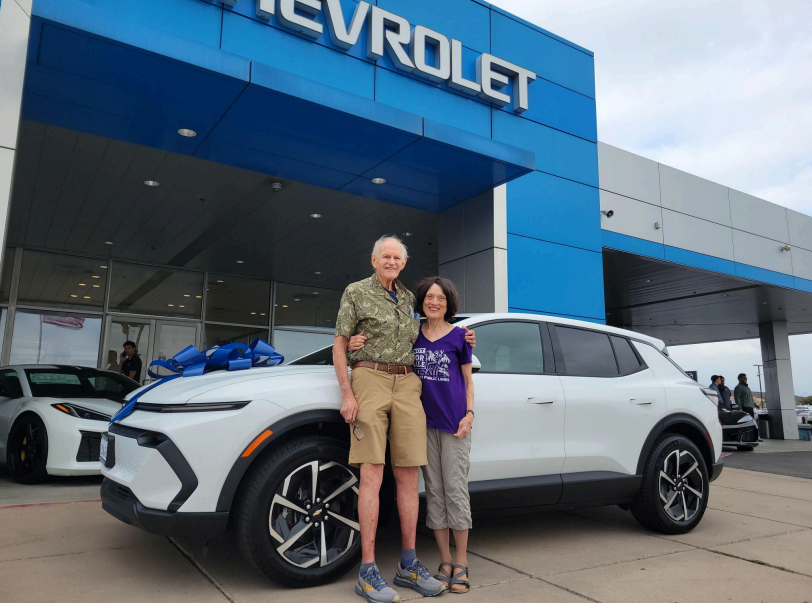
From zero to commitment: How one couple found their EV at a National Drive Electric Month event
Longtime environmental advocates Ann and Farley heard about a National Drive Electric Month (NDEM) event in the Los Angeles area around this time last year. The community event celebrating “all things electric,” hosted by Third Act SoCal, seemed like a perfect opportunity to learn more about electric home upgrades. Heading[…]

A set of floor mats: How the EPA is trading your health for pocket change
The Environmental Protection Agency (EPA), whose mission is to protect human health and the environment, has decided your health is worth a few hundred dollars — the price of a set of floor mats. That’s the EPA’s own math. Buried in its analysis of a proposed delay to vehicle pollution[…]


